

A New Chapter with Red Door Realty
I have joined Red Door Realty, a locally owned and independent real estate brokerage serving Nova Scotia’s South Shore, including Lunenburg, Mahone Bay and the surrounding communities.
This move represents an exciting new chapter in my real estate career and a natural progression toward a company whose values and local focus closely align with my own.
Red Door Realty is a homegrown company with strong roots in the communities it serves. That local connection is important to me.
I live and work in this area, and I believe that good real estate service starts with knowing the communities we call home. It means understanding the local market, knowing the neighbourhoods, and most importantly, building real relationships with the people who live here.
That is what attracted me to Red Door.
Red Door combines the professionalism and resources I want as a real estate agent with something that is increasingly important to me: being part of a truly local, independent company.
I’m not leaving behind the experience and relationships I have built over the years. I’m bringing them with me — and I’m looking forward to building on them as part of the Red Door team.
For my clients, it’s still me, with the same commitment to personal service and helping you navigate one of the biggest decisions you can make. But now I have a new local home for my business, and I’m excited about what that means for the future.
For me, Red Door Realty is a natural fit.
Proudly Local. Rooted Here.
I look forward to continuing to help people buy and sell homes throughout Lunenburg, Mahone Bay, the South Shore and the surrounding communities — now with Red Door Realty.
Staying Positive While Selling in a Declining Market: Advice From Your Realtor
Staying Positive While Selling in a Declining Market: Advice From Your Realtor
As a realtor, I know how emotional selling a home can be, especially in a declining market. When headlines are negative, showings slow down, and offers don’t come as quickly as expected, it’s natural to feel discouraged or even question your timing. I want you to know this: you’re not alone, and this situation is more common than you might think. While we can’t control the market, we can control how we navigate it together. With the right perspective and strategy, it’s absolutely possible to stay positive and move forward with confidence.
Here’s my advice to help you do just that.
1. Understand That the Market Is Not a Reflection of Your Home
One of the hardest parts of a declining market is separating market conditions from personal feelings. Fewer showings or lower offers are not a statement about your home or the care you’ve put into it, they’re a reflection of broader economic forces.
Buyers today are more cautious, more analytical, and slower to act. That doesn’t mean your home lacks value. It simply means buyers are taking more time to make decisions.
2. Focus on What We Can Control
While we can’t influence interest rates or buyer confidence, there are many things we can manage:
• Pricing strategy based on current data
• Presentation, staging, and first impressions
• Marketing reach and exposure
• Timing and flexibility with showings and negotiations
By focusing on these controllable factors, we put your home in the strongest possible position, regardless of market conditions.
3. Redefine Success Along the Way
In a fast-moving market, success is often measured in days on market and multiple offers. In a declining market, success looks different, and that’s okay.
Positive signs might include:
• Consistent showing activity
• Repeat interest from buyers
• Constructive feedback we can act on
• Strong conversations that lead to future offers
Each step forward matters, even if the pace feels slower than expected.
4. Price Strategically, Not Emotionally
Pricing is one of the most important tools we have in a changing market. I understand that pricing adjustments can feel discouraging, but they are not failures, they are strategic decisions based on real-time buyer behavior.
The goal isn’t to “give your home away.” It’s to position it correctly so it attracts serious buyers and keeps momentum strong. Homes that stay aligned with the market ultimately sell faster and with less stress.
5. Keep Perspective During Negotiations
Negotiations in a declining market often involve more back and forth. Buyers may ask for concessions or take more time to decide. While this can feel frustrating, it’s also normal in today’s environment.
My role is to protect your interests, guide you through each option, and help you make decisions that serve your long-term goals, not just short-term emotions.
6. Remember That Buyers Are Still Buying
Even in slower markets, homes sell every day. Life changes, job moves, growing families, downsizing, don’t pause just because the market shifts.
The right buyer is still out there. Our job is to make sure they can see the value in your home when they find it.
Final Thoughts
Selling in a declining market can feel overwhelming, but it doesn’t have to feel hopeless. With clear communication, realistic expectations, and a thoughtful strategy, you can move forward with confidence.
As your realtor, my commitment is to guide you honestly, advocate for you fully, and support you through every step of the process. We’ll adapt as the market changes, make informed decisions together, and keep moving toward your goal.
You don’t have to navigate this market alone, and you don’t have to lose optimism to succeed.

What to Look for Beyond Curb Appeal
It’s easy to fall in love with a home at first sight. A pretty front porch, ocean views, and a fresh coat of paint can make a strong first impression — and that’s exactly what sellers hope for! But when you’re buying a home, especially here on Nova Scotia’s beautiful South Shore, it’s important to look beyond curb appeal and make sure the house is as solid as it looks.
1. Look at the Layout, Not Just the Décor
Wall colors and furniture can always be changed, but the layout is harder to fix. As you walk through, pay attention to how the rooms flow, the size of common spaces, and whether it fits your lifestyle. Picture yourself living there through all four seasons — from cozy winter evenings to sunny summer days by the shore.
2. Check the Age of the Major Systems
Salt air and coastal weather can be tough on homes. Ask about the age and condition of the roof, heating system, plumbing, and electrical. These are big-ticket items that can add up quickly after you move in. A newer roof or energy-efficient heat pump is a big plus in our climate.
3. Pay Attention to Light, Views, and Noise
Take a moment to stand quietly during a showing. Can you hear the waves or the wind through the trees? How much natural light comes in during the day? South Shore homes often offer stunning views and peaceful surroundings — make sure the setting feels right for you year-round.
4. Look for Signs of Good Maintenance
A well-cared-for home usually tells its story. Check for clean gutters, smooth-opening windows, and a dry basement — especially important in older coastal properties. Little signs of regular upkeep show that the owners have taken pride in maintaining the home.
5. Think About Location and Lifestyle
One of the best things about living on the South Shore is the lifestyle — charming towns, quiet beaches, friendly communities, and a slower pace of life. Consider what’s nearby: local markets, schools, and how far you’ll be from the coast or your favorite coffee spot. The right location can make every day feel like a getaway.
The bottom line: Curb appeal might draw you in, but it’s what’s behind the front door that truly matters. Take your time, look deeper, and don’t be afraid to ask questions. Whether it’s a seaside cottage or a modern family home, the perfect South Shore property isn’t just the one that looks good — it’s the one that feels right and fits your lifestyle.

Fall 2025 Interior Color Trends & Why Your Walls Matter in Real Estate
Fall 2025 Interior Color Trends & Why Your Walls Matter in Real Estate
As the leaves turn and the air grows crisp, fall 2025 is bringing a warm, grounded palette to interior design. Think earthy neutrals, burnt terracotta, deep forest greens, muted ochres, and rich, clay-inspired tones. These colors aren't just trendy—they’re mood-setters. This fall, the focus is on comfort, character, and connection to nature.
But beyond being stylish, the color of your walls plays a much bigger role than you might think—especially in real estate.
Why Choosing the Right Interior Color Matters
Color influences how we feel in a space. The right tones can make a room feel brighter, larger, more modern—or cozier and more welcoming. In a market where buyers often make decisions within minutes of walking in, color is a powerful first impression.
Warm, neutral tones help buyers envision their own lives in the space.
Outdated or overly bold colors can distract or turn off potential buyers.
Fresh paint signals good maintenance and care, adding psychological value.
Selling? Repaint Before You List
If you're preparing to sell your home, repainting your interior can yield one of the highest returns on investment in pre-sale upgrades. A neutral, updated color palette:
Appeals to a wider range of buyers
Makes your listing photos pop online
Helps rooms appear cleaner, brighter, and more spacious
Real estate agents consistently recommend painting as a low-cost, high-impact way to boost marketability.
Just Bought? Make It Your Own
After purchasing a home, painting is one of the quickest ways to refresh and personalize your space. It covers up the previous owner’s style—and possibly any wear and tear—giving you a fresh start. Choosing colors that match your personality, and lifestyle can also improve your mood and comfort in your new space.
Final Thought
Fall 2025’s colors are all about natural, calming warmth—perfect for making a home feel inviting whether you're staging it for sale or settling in. Whether you're preparing to sell or moving into a new place, a fresh coat of the right color paint is more than cosmetic—it’s strategic.

The Beauty of Lifestyle Living by the Ocean
The Beauty of Lifestyle Living by the Ocean
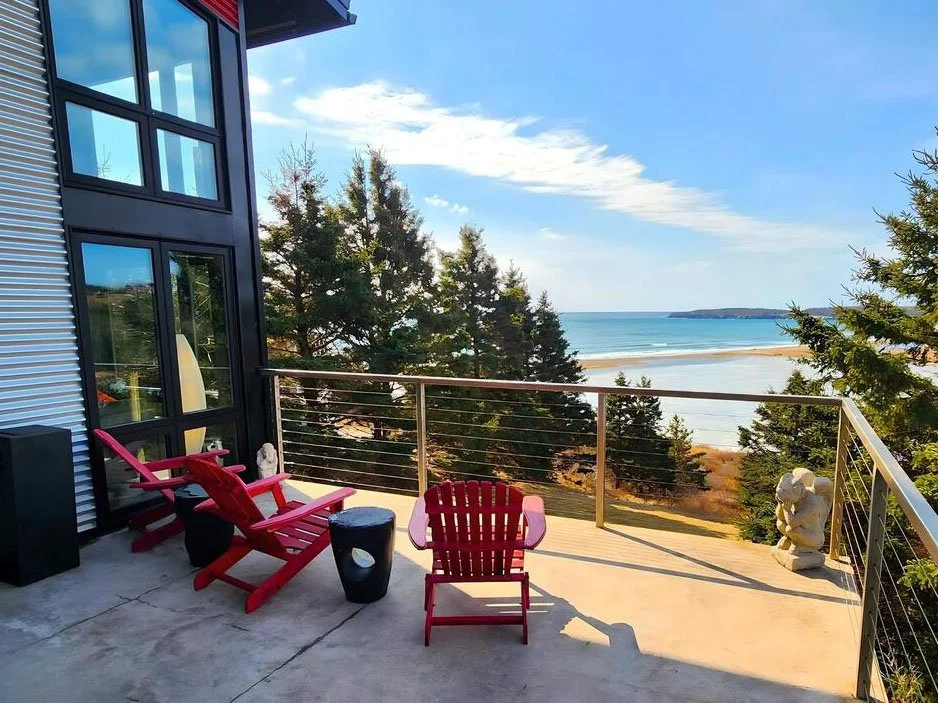
There’s something magical about waking up to the sound of waves crashing on the shore, the smell of salt in the air, and the sun rising over endless blue. For many, oceanfront living isn’t just about a home, it’s a way of life. Living by the ocean offers more than just scenic views. It’s a lifestyle rooted in balance, wellness, and connection to nature. Here’s what makes it so special:
1. A Daily Dose of Calm
The ocean has a natural calming effect. Whether you're sipping coffee on your deck or taking an evening walk along the beach, the rhythm of the tides slows your mind and eases daily stress.
2. Health Benefits
Studies have shown that being near water can boost mental health, reduce anxiety, and improve sleep. Fresh sea air, more time outdoors, and regular walks by the water are all part of coastal living—and your body and mind will thank you for it.
3. A Stronger Sense of Community
Coastal communities tend to be tight-knit. From morning chats at the local café to impromptu beach gatherings, it’s easy to feel at home when you live in a place where neighbours become friends.
4. Endless Outdoor Activities
Sailing, kayaking, beach combing, swimming, paddle boarding, or just lying in the sun—there’s always something to do when you live near the ocean. The water becomes part of your lifestyle, your playground, and your sanctuary.
5. Natural Beauty All Year Round
Coastal homes offer some of the most spectacular views in every season. Whether it's the sparkling summer sea, a misty fall morning, or a snow-covered shoreline, there's beauty in every moment.
6. A Valuable Investment
Waterfront properties not only offer an incredible lifestyle, they often retain their value well over time. If you’re looking to invest in your quality of life and your future, coastal real estate is worth considering.
Whether you dream of beach bonfires at sunset, fresh seafood dinners, or simply living in harmony with the natural world, lifestyle living by the ocean is about more than where you live—it’s how you live.

Why Summer is Still a Great Time to Sell Your Home
Summer might be synonymous with beach days and vacations, but it’s also one of the most active times in real estate—and that means it’s still a great time to sell your home.
While spring is traditionally considered the “hot” real estate season, summer continues the momentum with serious buyers still actively looking. Many families want to settle into a new home before the school year starts, and with longer daylight hours, buyers have more time to view properties after work or on weekends.
Curb Appeal Shines in the Sunshine
There’s no better time to show off your home’s exterior than in the summer. Gardens are in bloom, lawns are green, and outdoor living spaces—like decks, patios, and pools—look their absolute best. This natural boost in curb appeal can make a strong first impression and spark emotional connections with buyers.
Relocation Season is in Full Swing
Many people relocate during the summer months due to job transfers or lifestyle changes. Whether moving provinces or just to a new neighborhood, these buyers are often motivated and ready to make decisions quickly.
Vacation Vibes Work in Your Favour
A relaxed summer mindset can lead to more open-minded buyers. If your home evokes comfort, warmth, and a sense of retreat, you might find it easier to capture the imagination of potential buyers looking to embrace a change.
Less Competition, More Opportunity
Some sellers wait until fall or even spring, which means fewer listings to compete with in the summer. This gives your home a greater chance of standing out—especially if it’s priced right and presented well.
Final Thoughts
If you're thinking about selling, don’t wait for the "perfect" season—summer is full of opportunity. With the right strategy, expert marketing, and a polished presentation, your home can shine in any market.
Ready to make a move? Let’s talk about how we can position your home to stand out this summer.